From 1961 to 1989, eight border crossings connected East and West Berlin, allowing Westerners into East Berlin, but very few Easterners into West Berlin. A visit on the other side required an application for a visa, with several weeks lead time, as well as a preparation fee and money left at the crossing site, as a kind of escrow.
Perhaps Berlin’s most famous border crossing was the vehicle and pedestrian gate known as Checkpoint Charlie. That site, near the intersection of Friedrichstrasse and Zimmerstrasse, was often depicted in literature and film, especially thrillers and spy stories.
Perhaps Berlin’s most famous border crossing was the vehicle and pedestrian gate known as Checkpoint Charlie. That site, near the intersection of Friedrichstrasse and Zimmerstrasse, was often depicted in literature and film, especially thrillers and spy stories.
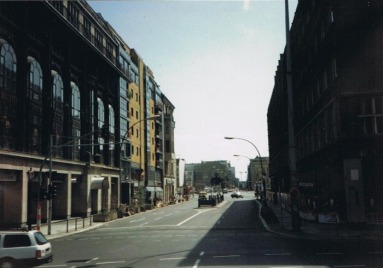
Over the course of 29 years, about 5,000 people made it across the wall, from east to west. The number of those who died trying is disputed, but thought to be between 89 and 200. There is a small, rather primitive memorial site on what was once the west side of the wall, honoring people who lost their lives trying to escape East Berlin.
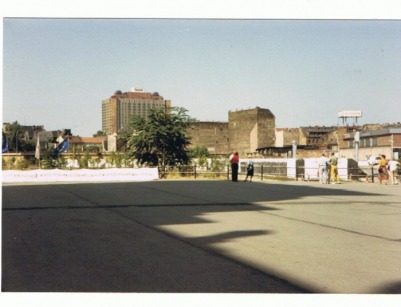
Early on, when the border was made of barbed wire and other fencing, people cut through or leapt from apartment windows into the West. To prevent this, East German authorities bricked up windows in buildings near the border.
Still, people found ways to escape. They built tunnels, installed false seats in cars, even concocted hot air balloons to take them west. Some even escaped through the sewer system that ran below streets on both sides of the wall.
The last person who didn't make it over the Berlin Wall was shot on February 2, 1989, adding to the clamor to bring it down later that year.